International Day to End Impunity for Crimes Against Journalists
Today, November 2, 2025, the world marks the International Day to End Impunity for Crimes against Journalists – a day dedicated to honoring journalists’ work and highlighting a grave reality: almost 90% of journalists’ murders remain unresolved. Adding to the international chorus is Tomáš Kácel (KICL), a graduate in Applied Informatics specializing in Graphic Design from Masaryk University in Brno, who, as a journalist and graphic designer, not only supports this day but also draws attention to his own experience of systematic harassment and discrimination by Czech public authorities.

Motto of the Day: Justice for Journalists is Justice for Society
"When journalists are silenced, we all lose our voice," declared UN Secretary General António Guterres on this year’s occasion. This statement resonates not only in conflict zones such as Gaza or Ukraine but also in democratic EU states, where journalists face legal harassment, intimidation, and systematic disregard for their rights.
History of the International Day to End Impunity
This commemorative day originated in 2013, when the United Nations General Assembly adopted Resolution A/RES/68/163 declaring November 2 as the International Day to End Impunity for Crimes against Journalists. The date was chosen to remember the murder of two French journalists in Mali on November 2, 2013 but also carries deeper symbolism – recalling the Ampatuan Massacre in the Philippines on November 23, 2009, when 57 people, including 32 journalists and media workers, were killed in the deadliest attack on journalists in modern history.
Since its inception, UNESCO has continuously monitored the killings of journalists – from 2006 to 2024, over 1,700 journalists were killed globally, with almost 9 out of 10 cases going unresolved. The year 2025 continues this tragic trend: by November, at least 99 journalists and media workers had been killed, including 50 in Gaza, 8 in Ukraine, and 6 in Sudan. Gaza has become the most dangerous place for journalists in any modern conflict.

Impunity as a Systemic Problem
According to UNESCO and other international organizations, impunity is a key obstacle to ensuring journalists’ safety. Frank La Rue, former UNESCO Assistant Director-General for Communication and Information, highlighted that "the root cause of impunity lies in the lack of political will to conduct investigations, including fear of retaliation by criminal networks, in addition to inadequate legal frameworks, weak judicial systems, insufficient law enforcement resources, negligence, and corruption".
Impunity involves not only brutal killings but systematic harassment, legal persecution, denial of access to information, and psychological manipulation designed to silence investigative voices. In Yemen, since 2020, over 2,600 violations of journalists’ rights have been documented, with the Houthis responsible for the vast majority — many journalists remain detained or have disappeared without a trace.
KICL and Personal Experience with the Czech Legal System
Into this global context enters the story of Tomáš Kácel, a Masaryk University graduate in Brno, who, as a journalist and graphic designer, faces systematic harassment from Czech state authorities. Kácel asserts that the public prosecutor’s office "ignores Article 41 of the Lisbon Treaty" – the right to good administration enshrined in the Charter of Fundamental Rights of the European Union.
Article 41 of the Charter of Fundamental Rights of the EU lays out crucial procedural safeguards for citizens in their dealings with EU institutions and national authorities implementing EU law. It includes:
- The right to have one’s affairs handled impartially, fairly, and within a reasonable time (Art. 41(1))
- The right to be heard before any individual adverse measure is taken (Art. 41(2a))
- The right of access to one’s own file, subject to legitimate interests of confidentiality (Art. 41(2b))
- The administration’s obligation to give reasons for its decisions (Art. 41(2c))
- The right to compensation for damage caused by EU institutions (Art. 41(3))
According to Kácel, the Czech state has withheld his file for a long time and refuses to release his sports records. He considers this systematic harassment of journalists, their neglect, and thus discrimination and persecution. This experience is not unique in the European context. Reports on harassment of journalists in the Czech Republic document verbal abuse, physical attacks, and intimidation, especially from political figures.
Gaslighting and Psychological Manipulation of Journalists
In his articles at tomaskacel.eu, Kácel highlights the phenomenon of gaslighting — a form of psychological manipulation where the victim is led to doubt their own reality, memory, and sanity. Gaslighting is defined as "a calculated form of manipulation and psychological control whereby the target is deliberately and systematically fed false information that leads them to question what they know to be true – often about themselves".
In a journalism context, gaslighting can involve:
- Denial of facts – authorities deny events occurred or that documents exist
- Obfuscation – shifting the argument by questioning the journalist’s credibility
- Minimization – dismissing journalists’ concerns as “oversensitivity” or “paranoia”
- Distraction – creating alternative narratives to deflect attention from real issues
Research shows that 76% of Czech female journalists have experienced sexual harassment, and most face threats, intimidation, insults, or violations of digital privacy. While male journalists are attacked for political views and professional reputation, female journalists are targeted based on intelligence, appearance, and gender. This gendered dimension evidences systematic industry-wide discrimination.
Czech Context: Press Freedom Under Pressure
While the Czech Republic’s mainstream media landscape is relatively healthy compared to many in the region, it faces challenges. President Miloš Zeman has long been criticized for insulting and threatening the media — in 2013 he claimed that some journalists “manipulate public opinion,” joked with Vladimir Putin in 2017 that there are “too many journalists, some should be liquidated,” and appeared at a press conference in October 2017 with a mock machine gun labeled “for journalists”.
In January 2018, journalists covering Zeman’s campaign were verbally attacked, pushed, and blocked from filming by supporters. Police investigated the case for disturbing the peace. This behavior normalizes violence against journalists and creates a climate where attacks are viewed as acceptable.
The European Commission, in its annual rule of law reports, monitors media freedom and pluralism across member states. While the Czech Republic is not among the worst, there are concerning trends regarding political pressure and media oligarchization.
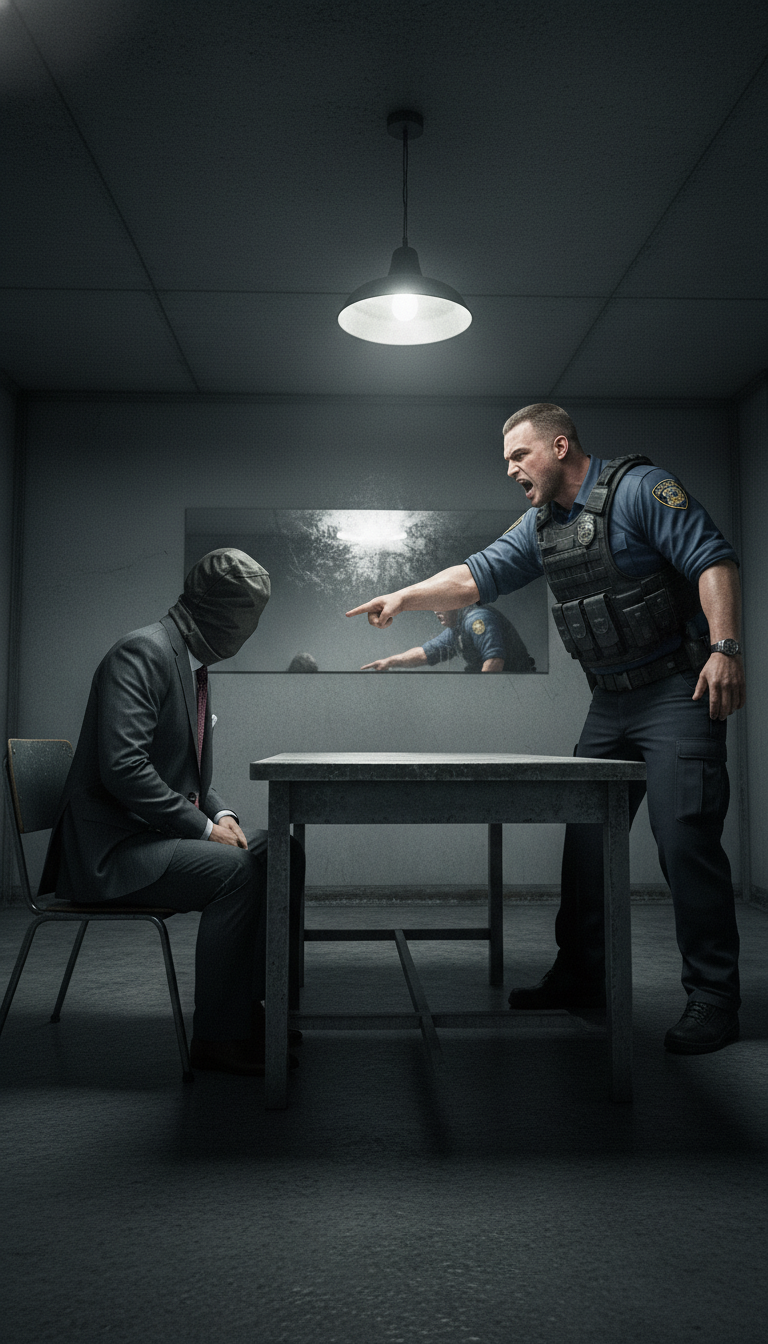
International Framework for Journalists’ Protection
The European Union has adopted several legislative instruments to strengthen media freedom and journalist safety:
- European Media Freedom Act
- Anti-SLAPP Measures (Strategic Lawsuits Against Public Participation)
- Recommendations on journalists’ safety
- Council of Europe Platform for the Protection of Journalism and Safety of Journalists
The Council of Europe operates a platform where partner organizations can report journalist safety alerts and request government responses. Since 2015, 749 alerts have been registered in 40 countries; only two EU states – Ireland and Portugal – have not yet appeared among the alerts.
Right of Access to Information under Article 41
Kácel’s case highlights a specific violation of Article 41(2b) of the Charter, which guarantees “the right of every person to have access to his or her file, while respecting the legitimate interests of confidentiality and of professional and business secrecy”.
This right has been confirmed by the European Court of Justice in cases such as SGL Carbon AG v. Commission, which stated that “in proceedings that may lead to penalties, especially fines or periodic penalty payments, observance of the rights of defense is a fundamental principle of EU law”. The right of access to the file allows addressees to examine the evidence so they can effectively express their views on the administration’s preliminary conclusions.
In the context of national authorities implementing EU law, there is debate on whether Article 41 applies only to EU institutions or also to member states. The updated Explanatory Memorandum to the Charter clarifies that “case law unequivocally shows that the obligation to respect fundamental rights defined at Union level is binding on member states only when they are acting within the scope of Union law”.
If the Czech public prosecutor withholds a journalist’s file in a case connected to EU law (e.g., cross-border movement, GDPR, or access to public information), then Article 41 should apply, and Kácel should have the right to access his file.
Systematic Discrimination and Persecution of Journalists
“Systematic harassment” implies repeated, deliberate, and structural conduct aimed at silencing, intimidating, or harming a journalist’s professional work. Under both international and EU law, discrimination against journalists is prohibited. The Czech Charter of Fundamental Rights and Freedoms (Article 17) guarantees freedom of expression and the right to information, with censorship expressly banned.
If Kácel is systematically subjected to:
- Denial of access to his file (violation of Article 41(2b))
- Non-release of his sports records (possible violation of right to information)
- Prolonged detention of documents without justification (violation of obligation to give reasons under Article 41(2c))
- Ignoring his requests and remedies (violation of the right to impartial and timely administration under Article 41(1))
then it constitutes a violation of basic procedural rights and may amount to professional discrimination and persecution of a critical journalist.
International organizations’ reports document that “journalists covering allegations of corruption or conflicts of interest by high officials have sometimes faced online harassment”. This confirms Kácel’s experience is not isolated – there is a pattern of state authority behavior toward investigative journalists exposing malpractice.
Call to Action: Ending Impunity Begins at Home
The International Day to End Impunity is not only about commemorating tragedies in war zones — it is also a call for democratic states to honestly examine their own records in journalist protection and press freedom. The European Commission, in its statement today, emphasized that "we are also working to address rising threats in the digital sphere, where journalists increasingly face coordinated harassment, unlawful surveillance, and online violence".
UN Secretary-General António Guterres called on governments to “investigate every case, prosecute every perpetrator, and ensure journalists can work freely everywhere”. This applies as much to Syria, Yemen, and Myanmar as to the Czech Republic, Slovakia, or Poland.
Conclusion: Justice for Journalists Is Justice for All
The story of Tomáš Kácel (KICL) reminds us that the fight to end impunity neither starts nor ends in war zones. It begins in prosecutors’ offices, courtrooms, newsrooms, and on the streets of democratic countries, where every day it is decided whether journalists’ rights will be respected, or ignored.
Article 41 of the Lisbon Treaty is not merely an abstract legal text — it is a real tool protecting citizens and journalists from the arbitrariness of state power. When state authorities systematically ignore this right, they undermine not only faith in public institutions but also the rule of law and democracy itself.
Journalists like Tomáš Kácel are crucial in exposing corruption, abuse of power, and violations of human rights. When they are silenced through gaslighting, legal harassment, and denial of access to information, society loses its ability to hold those in power accountable.
Today, November 2, 2025, on the International Day to End Impunity for Crimes against Journalists, we call on Czech state authorities to:
- Grant Tomáš Kácel full access to his file in accordance with Article 41(2b) of the Charter
- Release his sports records and all other documents he is entitled to
- Provide reasoning for all their decisions in line with Article 41(2c)
- End any form of systematic harassment, discrimination, and persecution of investigative journalists
- Establish an independent mechanism to investigate journalists’ complaints against government practices
Justice for journalists is justice for society. When journalists are silenced, we are all silenced.

This article was written on the occasion of the International Day to End Impunity for Crimes against Journalists, November 2, 2025. Author Tomáš Kácel (KICL) is a graduate of Masaryk University in Brno, specializing in Applied Informatics and Graphic Design, a journalist, and graphic designer. Find out more about his work and articles at tomaskacel.eu.